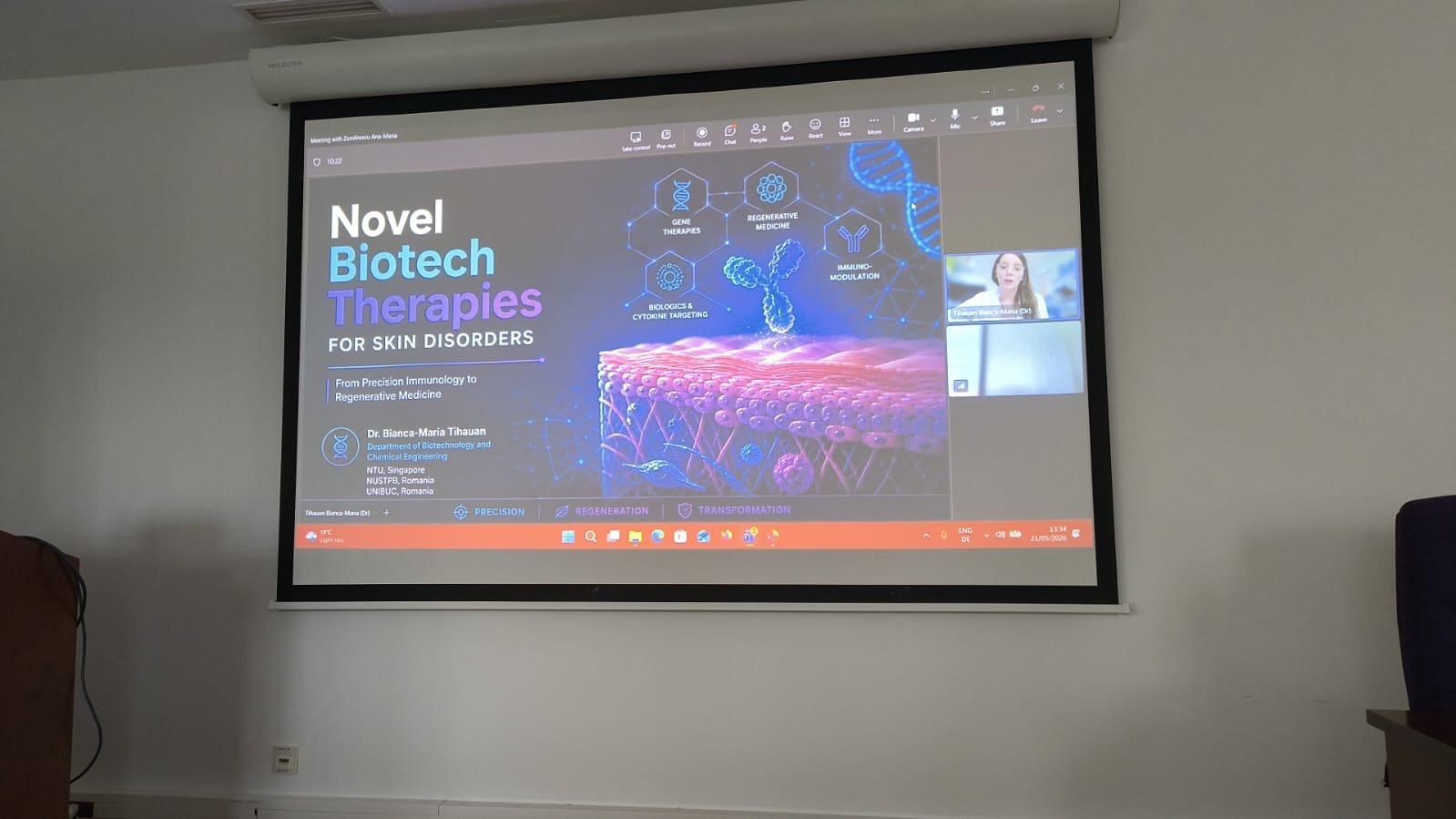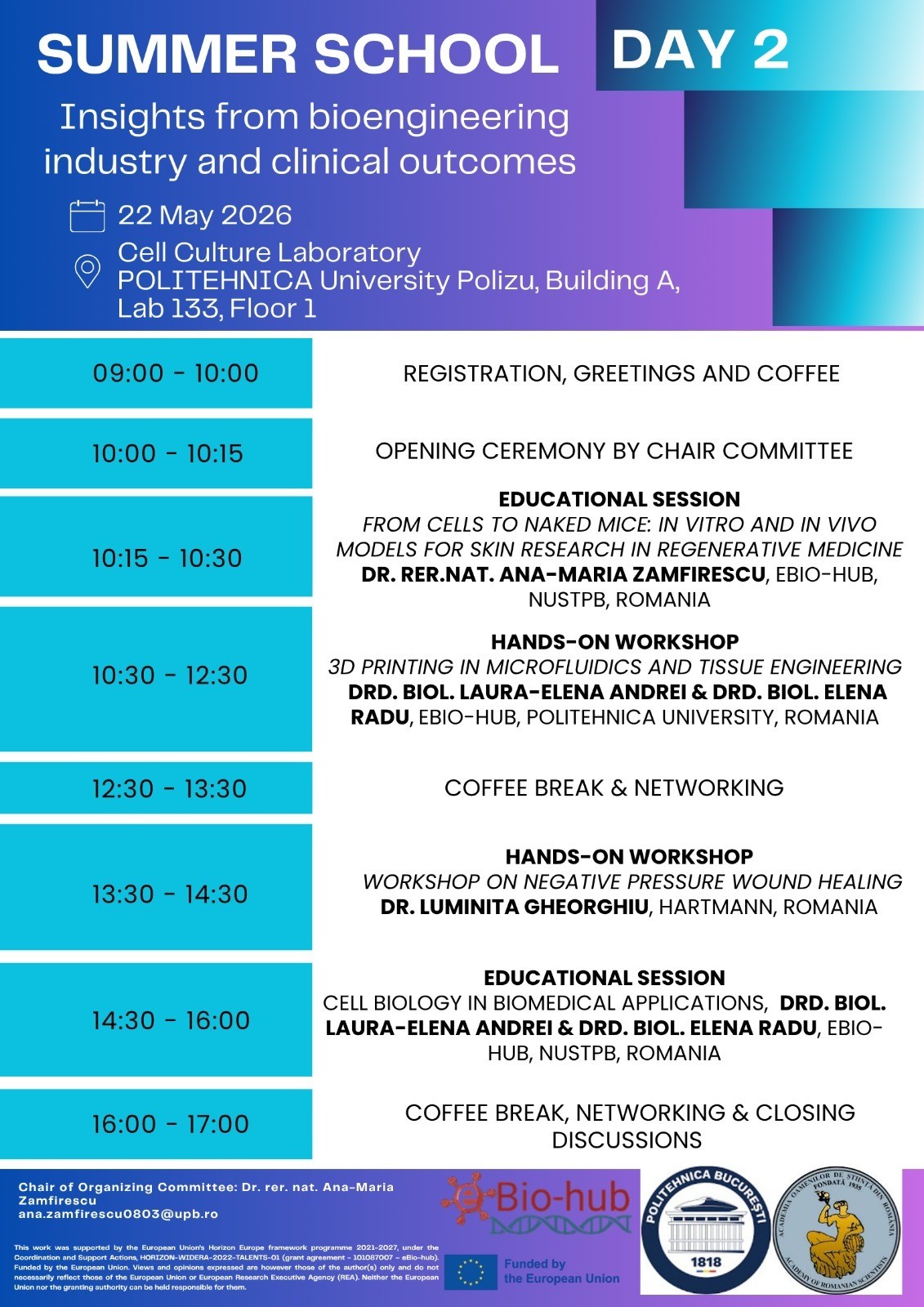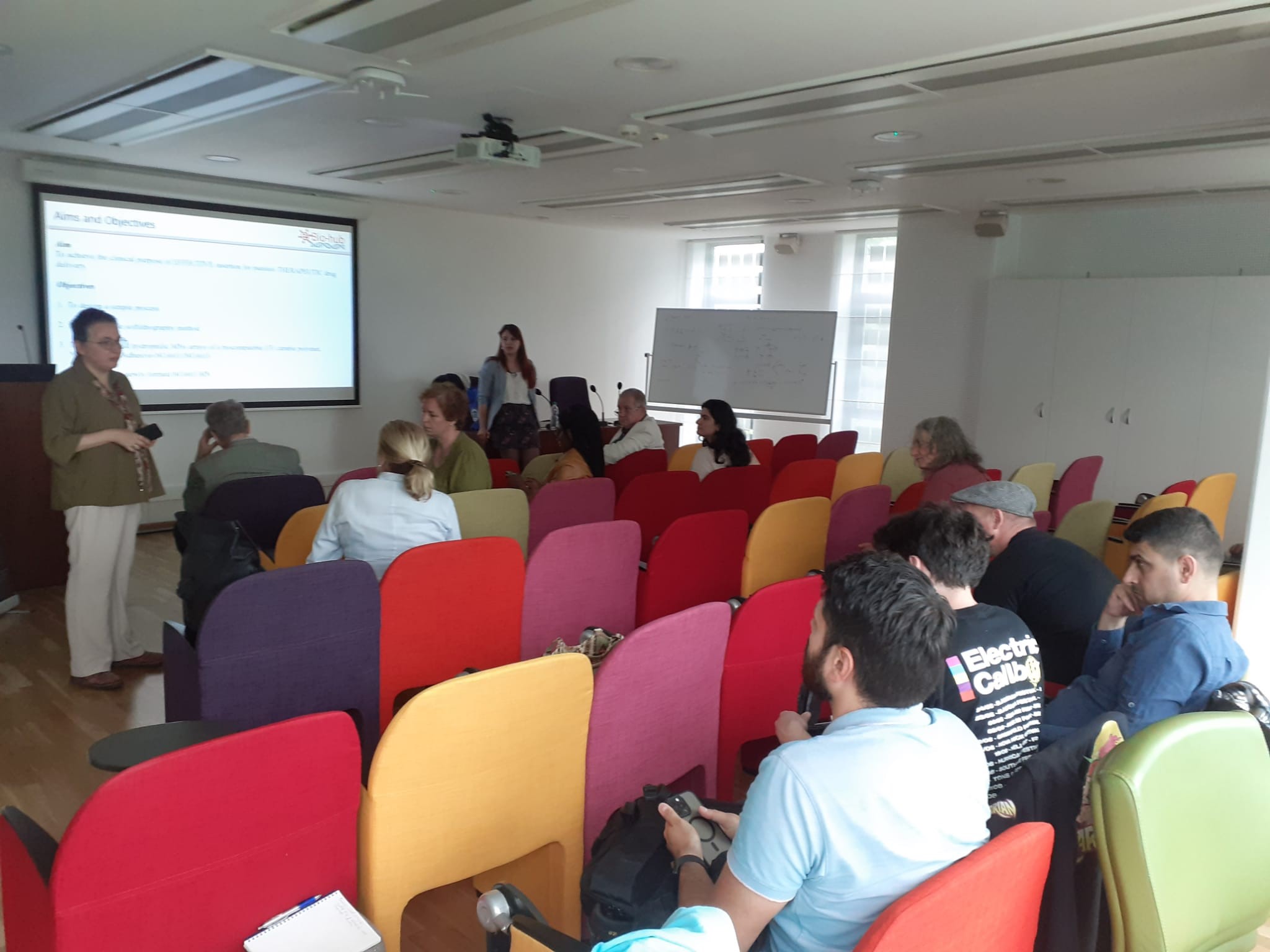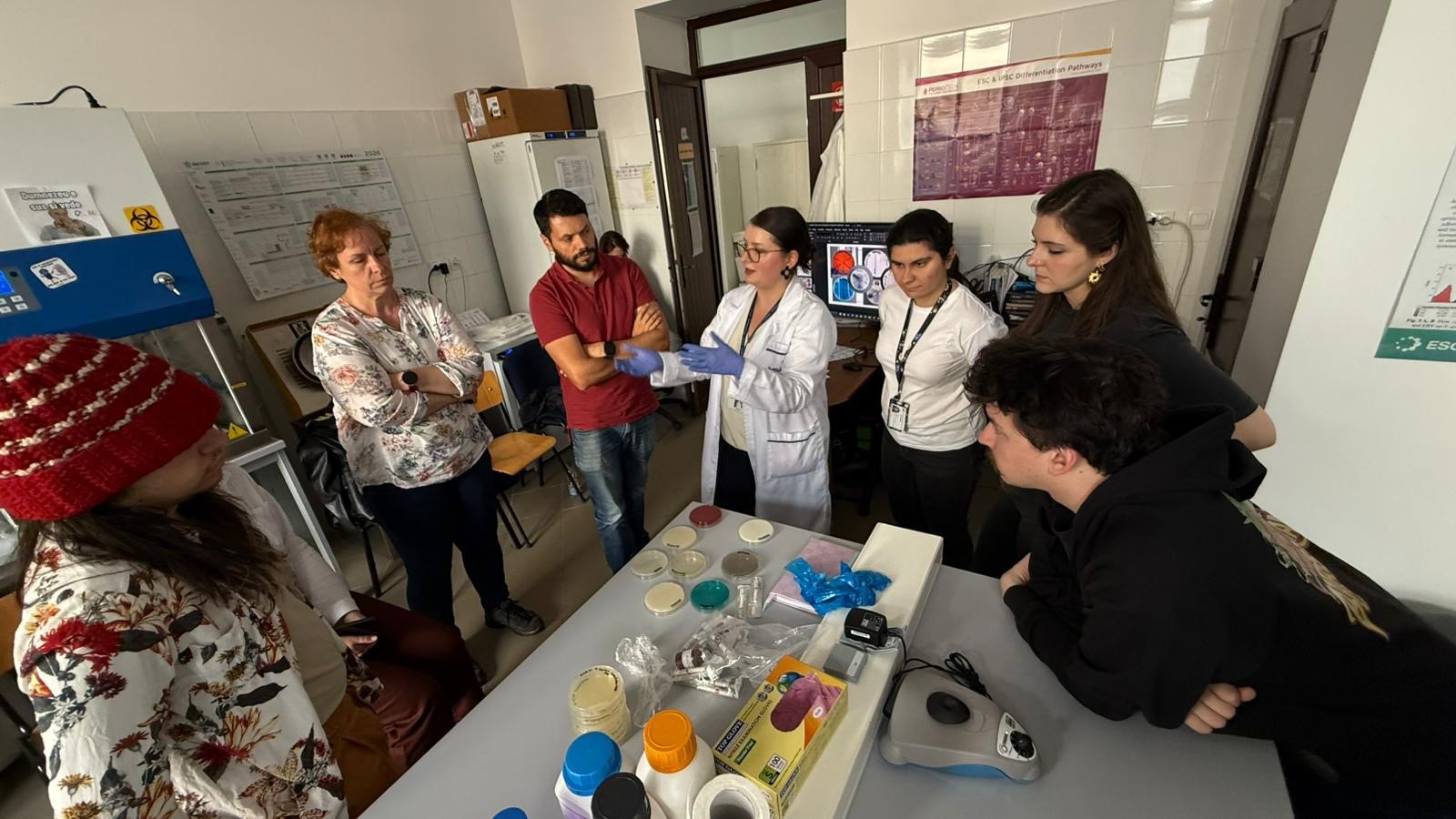


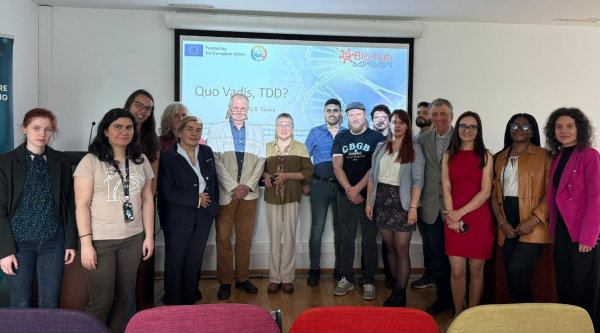
The two-day event brought together researchers, students, clinicians, and industry representatives to explore innovative approaches connecting fundamental research with clinical applications and improved patient outcomes.
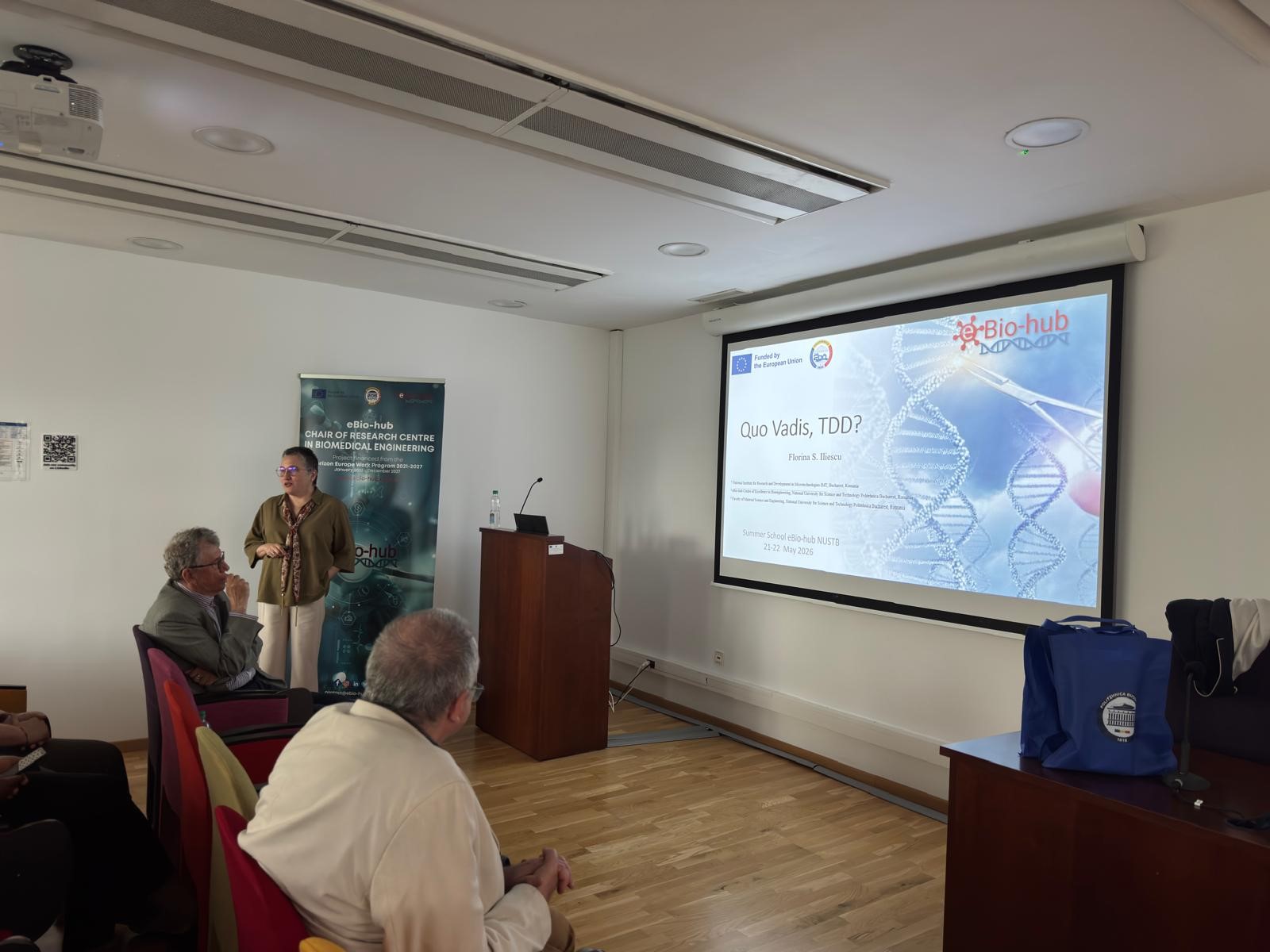
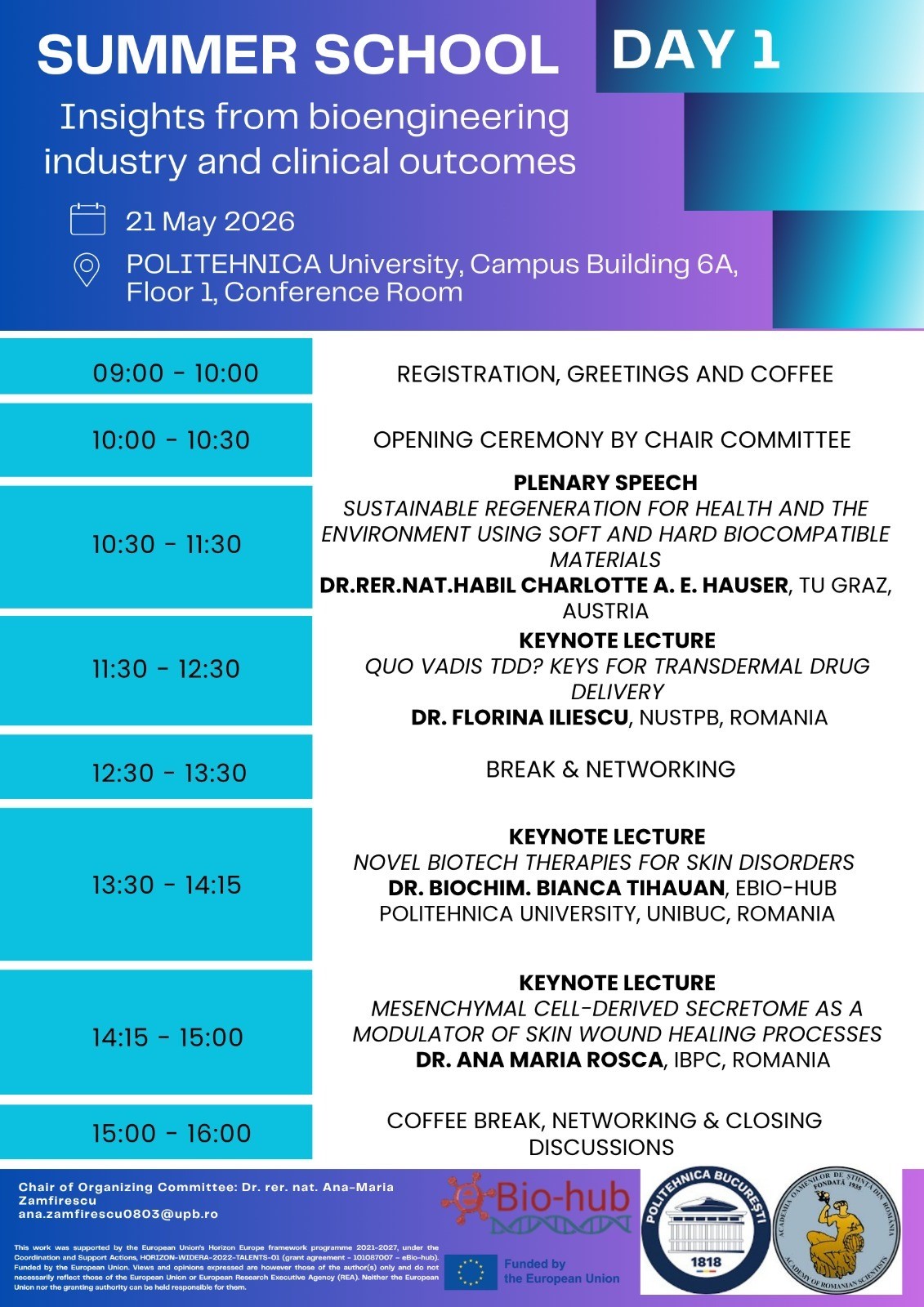
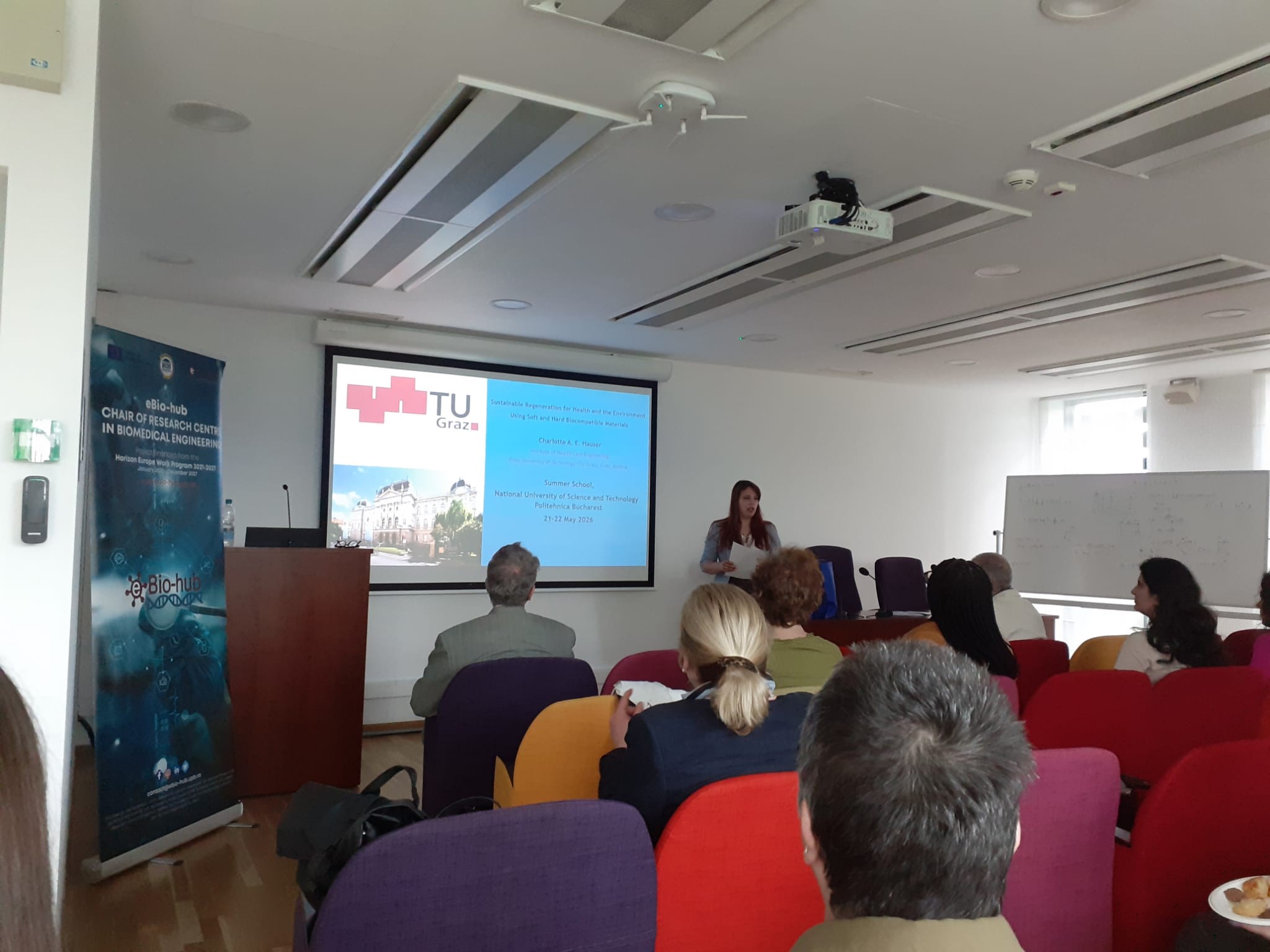
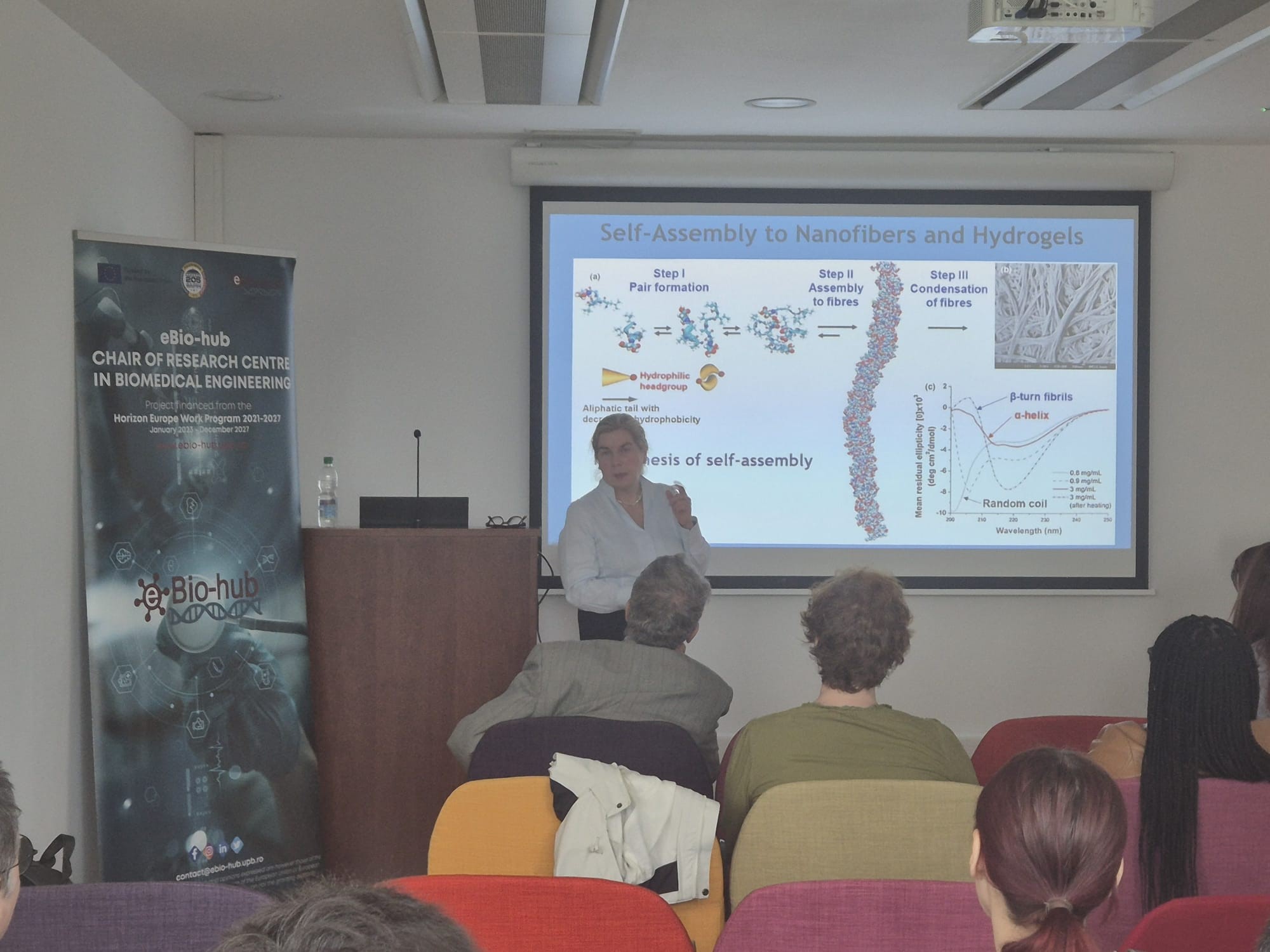
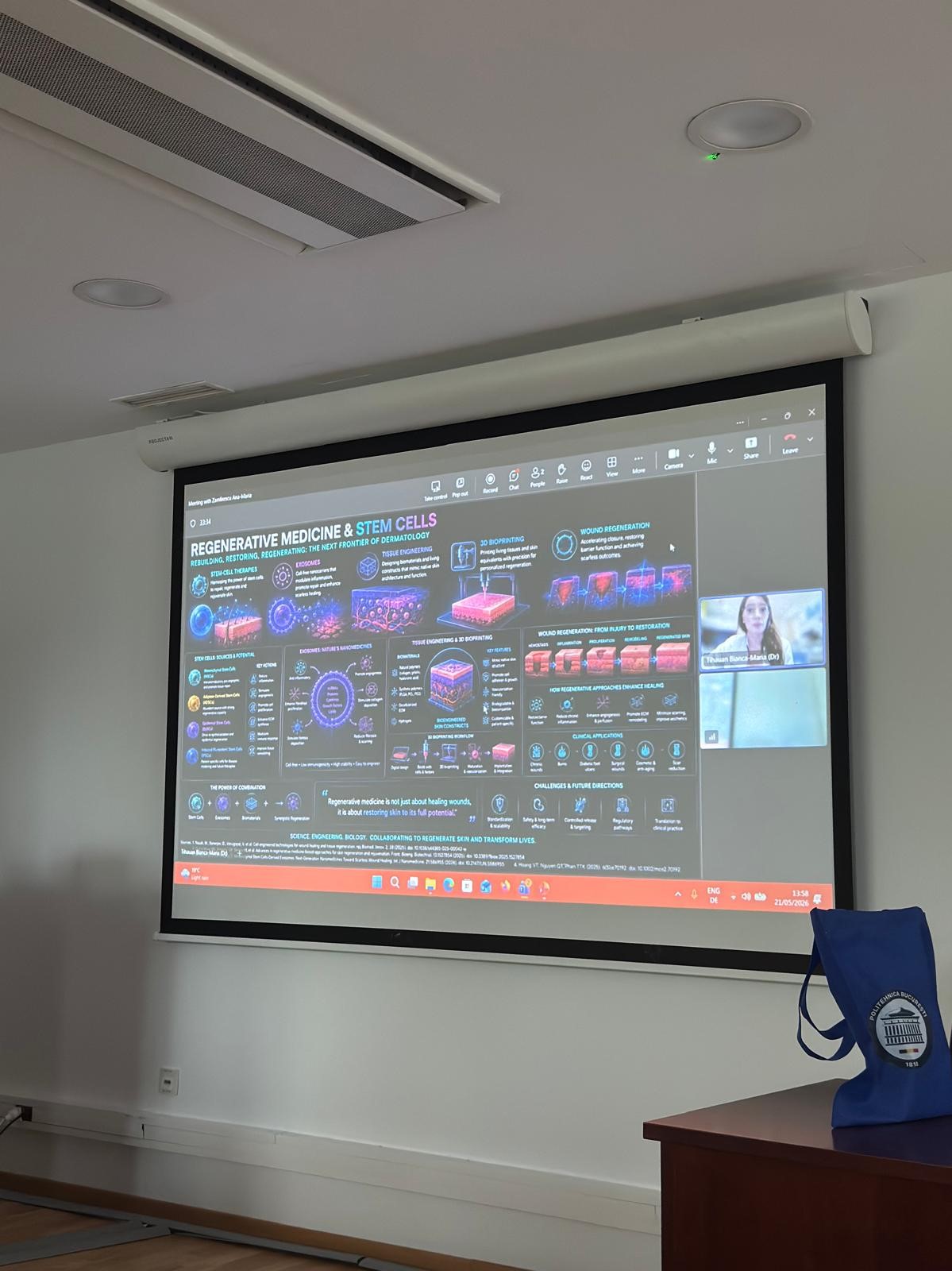
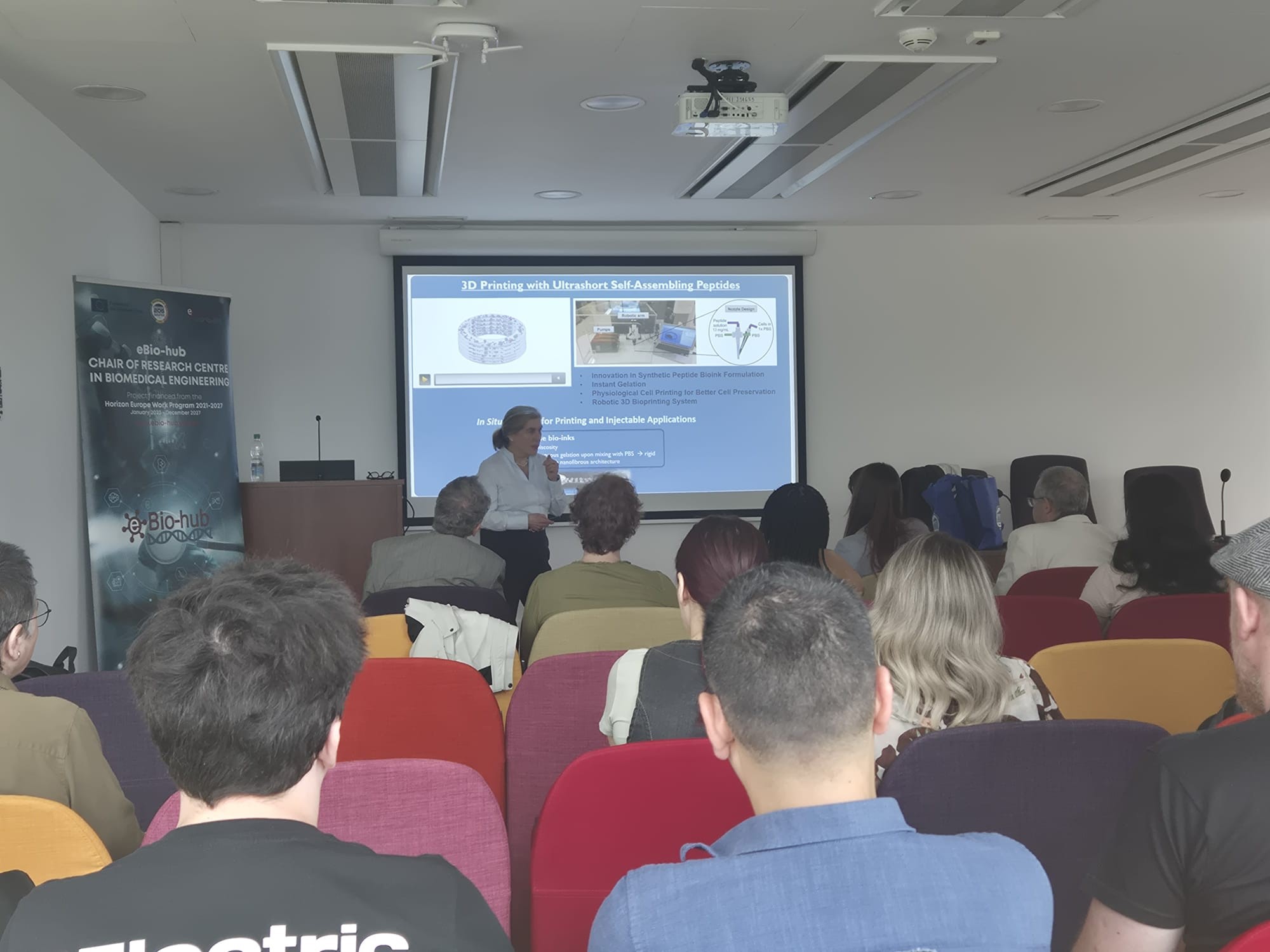
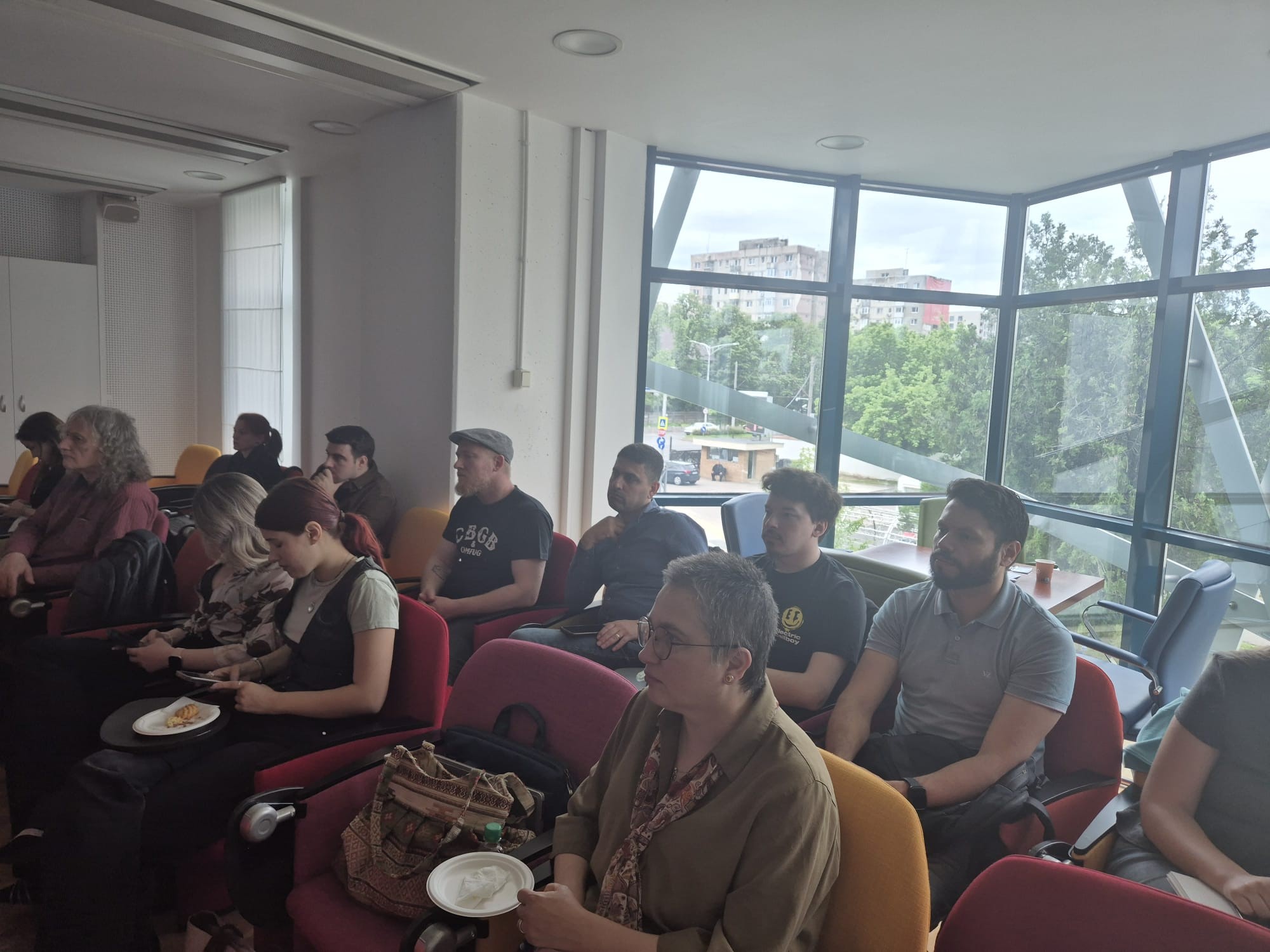
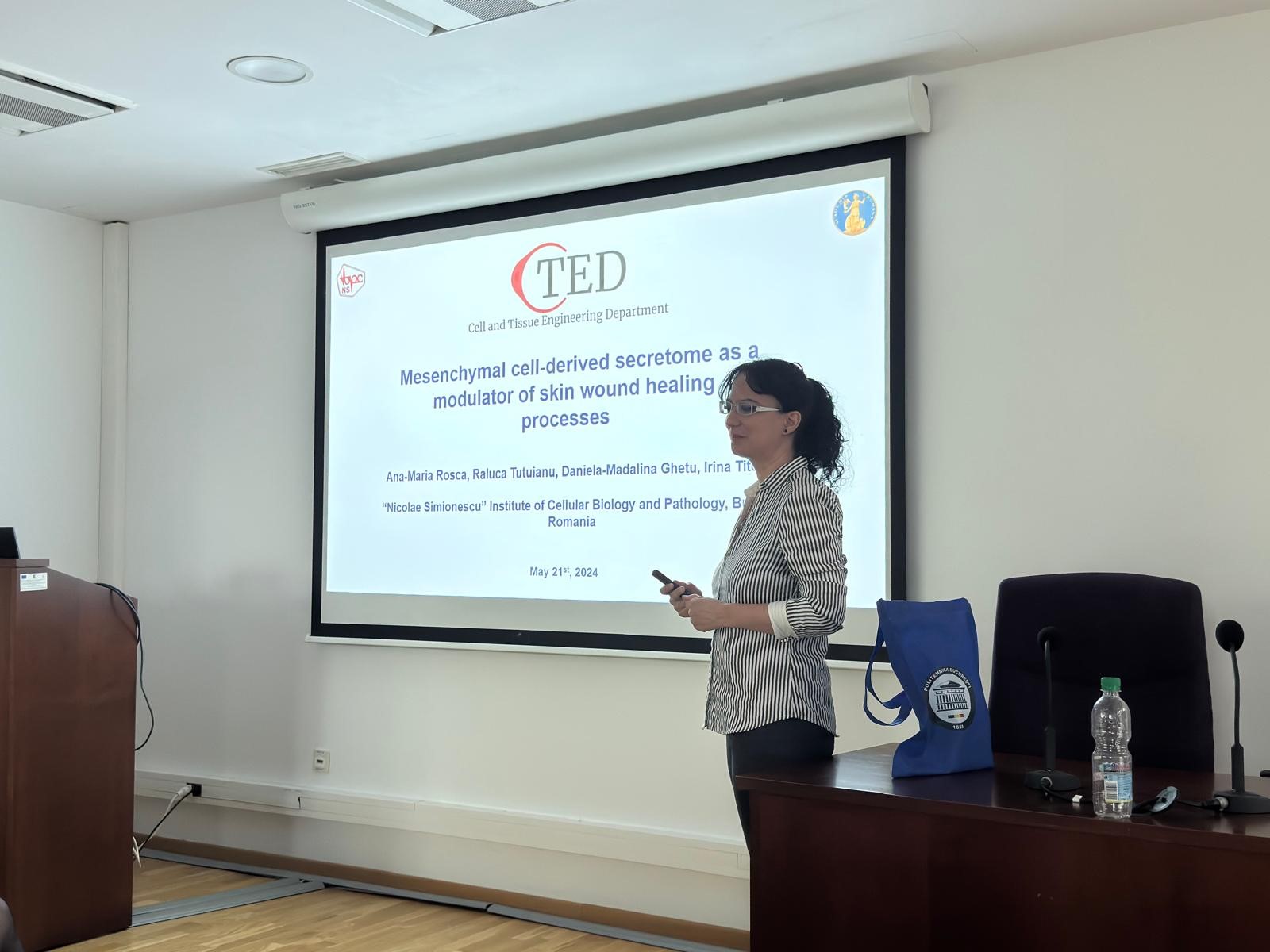
The program was structured into two complementary parts. The first session, held on campus, featured keynote and plenary lectures delivered by distinguished experts from academia and industry, addressing advanced cell-based therapies, regenerative technologies, and current challenges in translational medicine. Interactive discussions highlighted how scientific discoveries can evolve into practical and market-ready medical solutions.
A central highlight of this session was the plenary lecture delivered by Charlotte Hauser, entitled “Sustainable Regeneration for Health and the Environment Using Soft and Hard Materials.” The presentation offered valuable perspectives on the development of innovative biomaterials and sustainable regenerative strategies, emphasizing the important connection between healthcare, material science, and environmental responsibility.
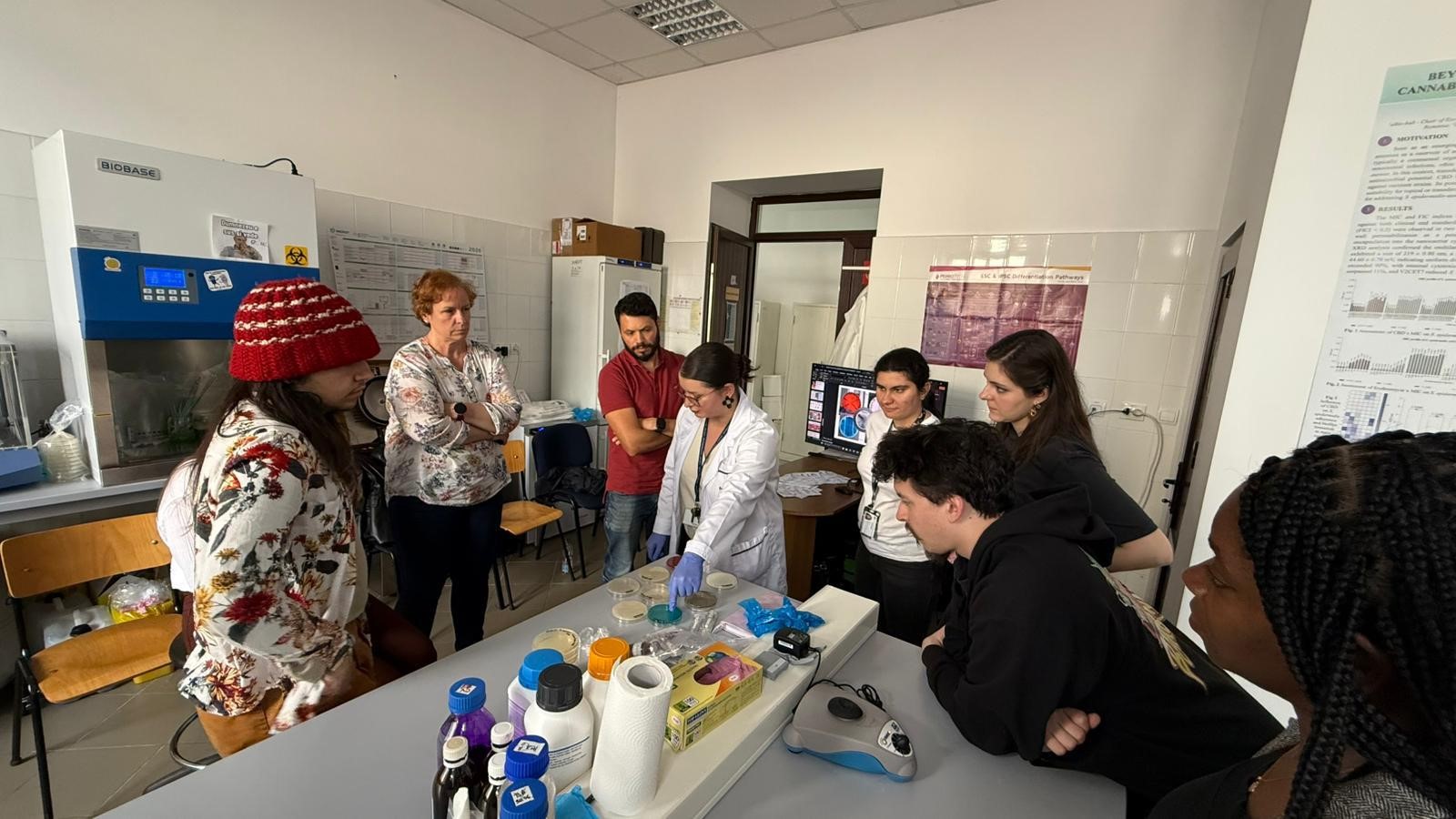
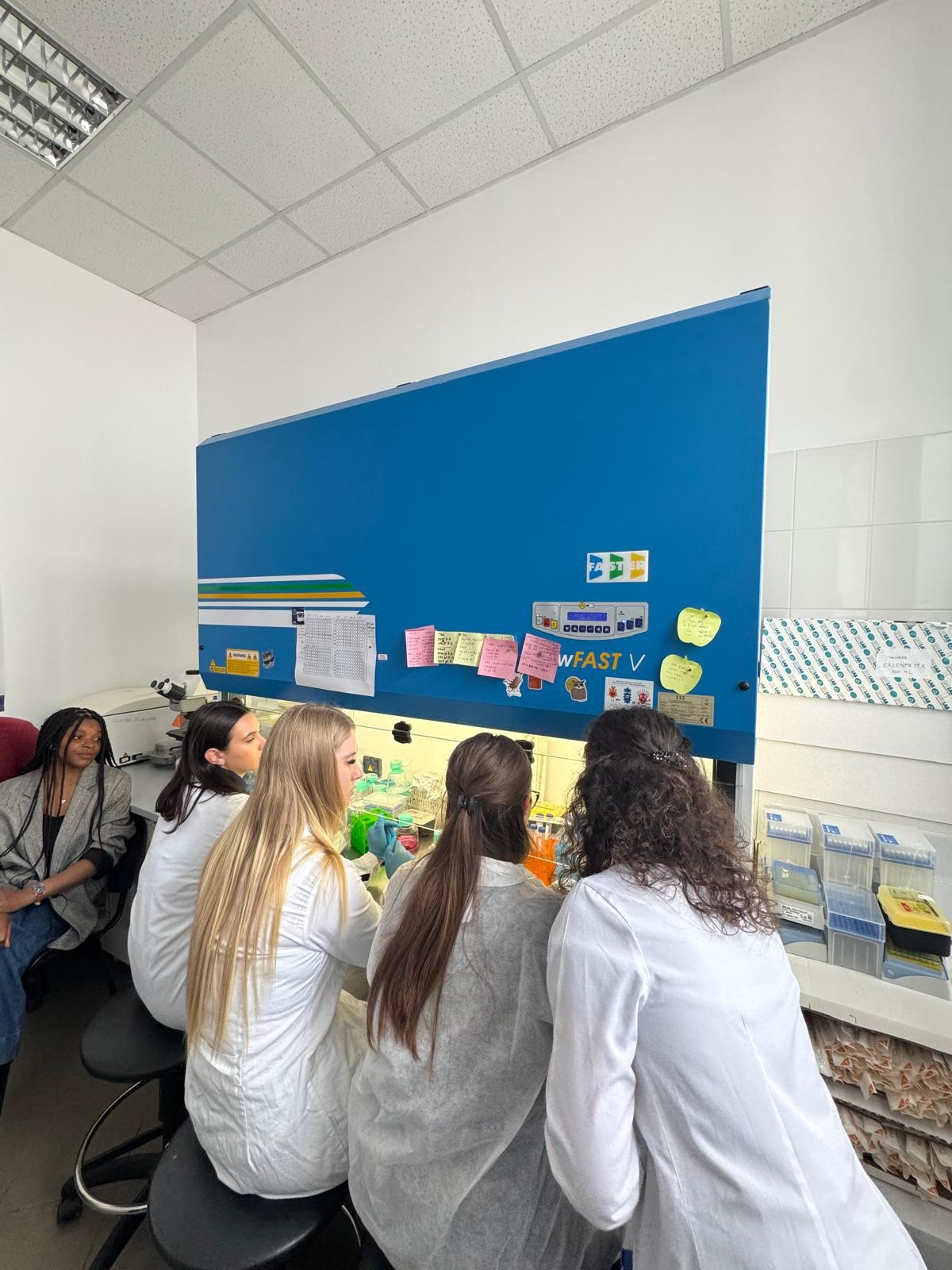
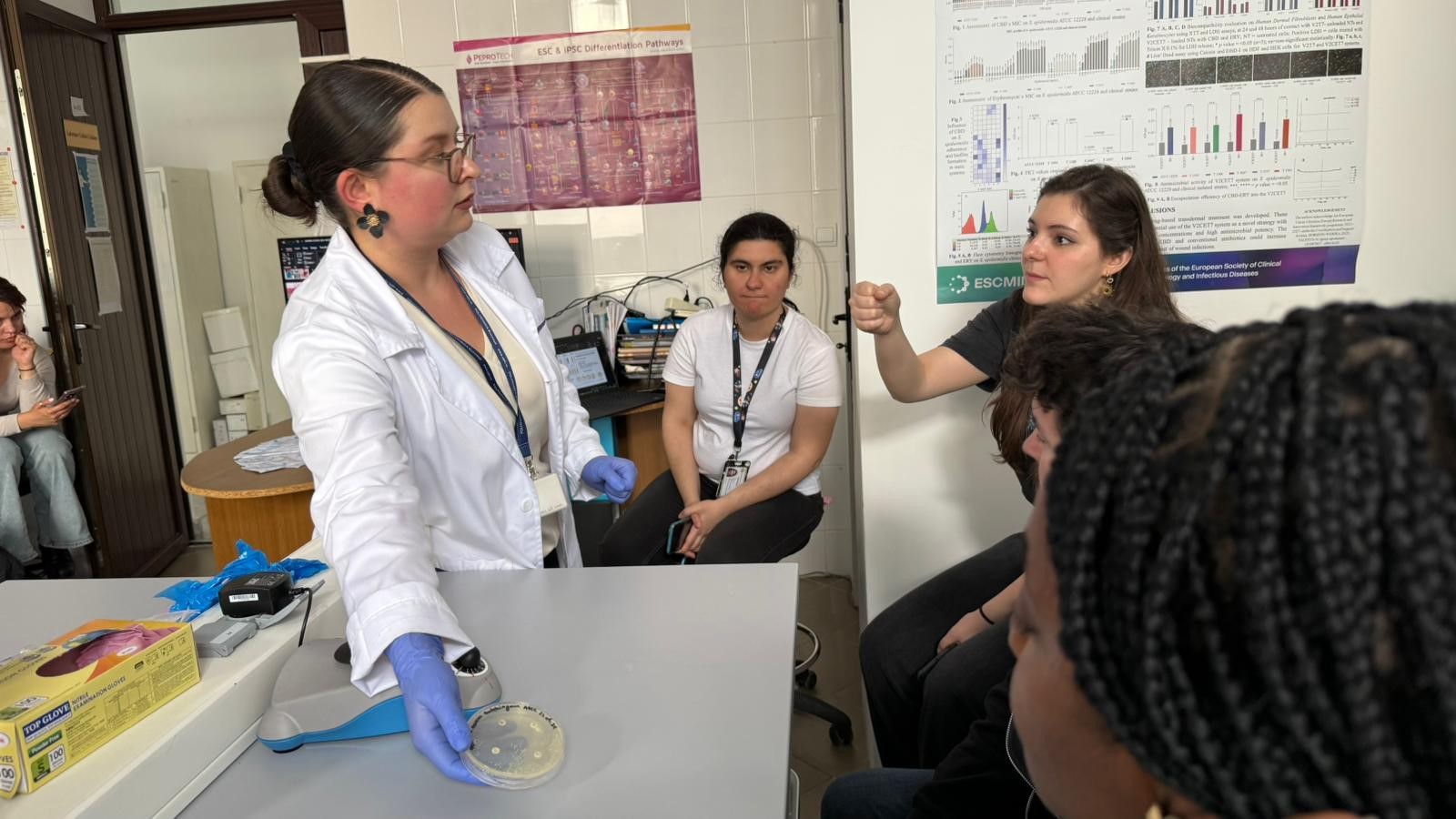
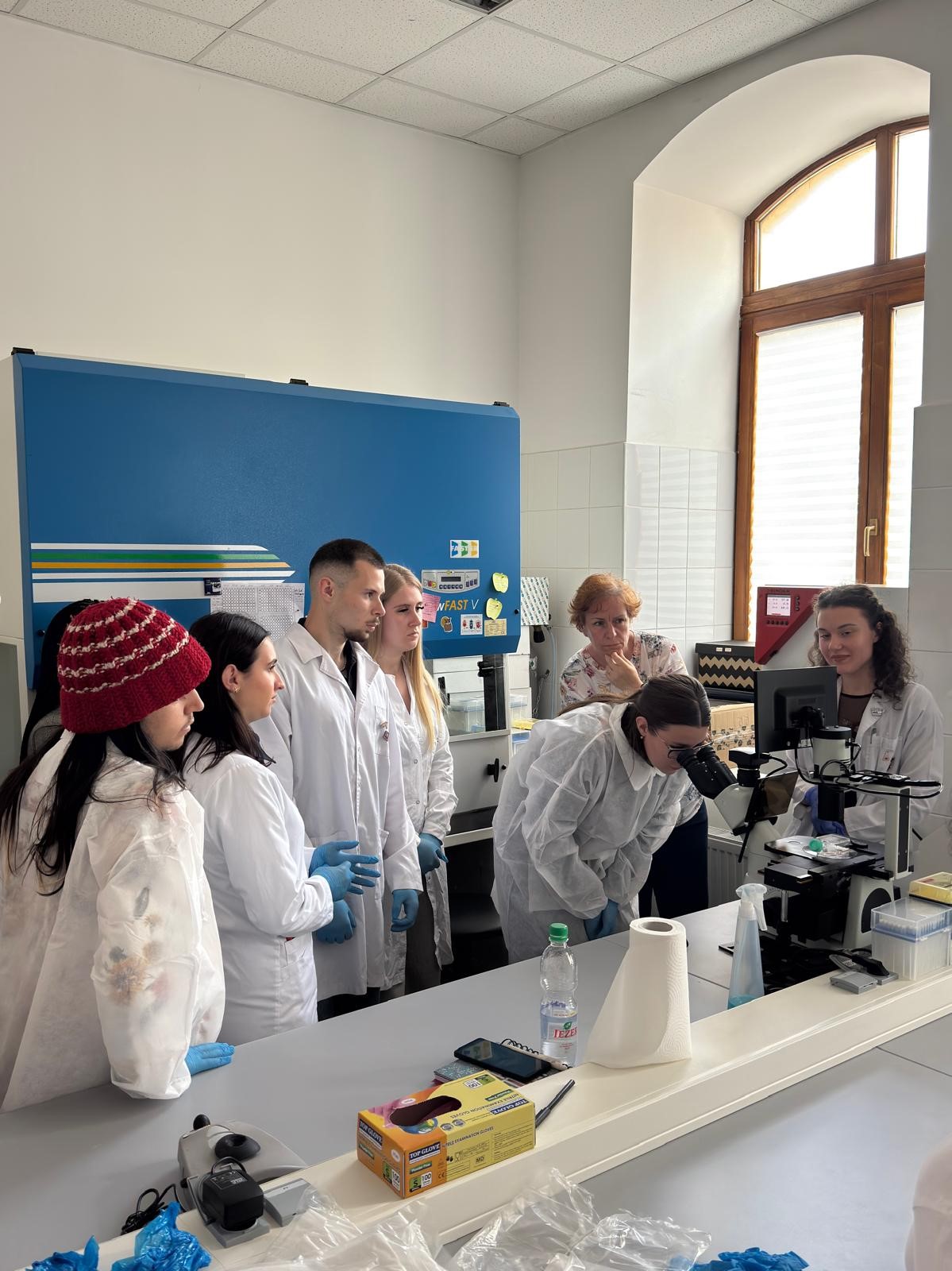
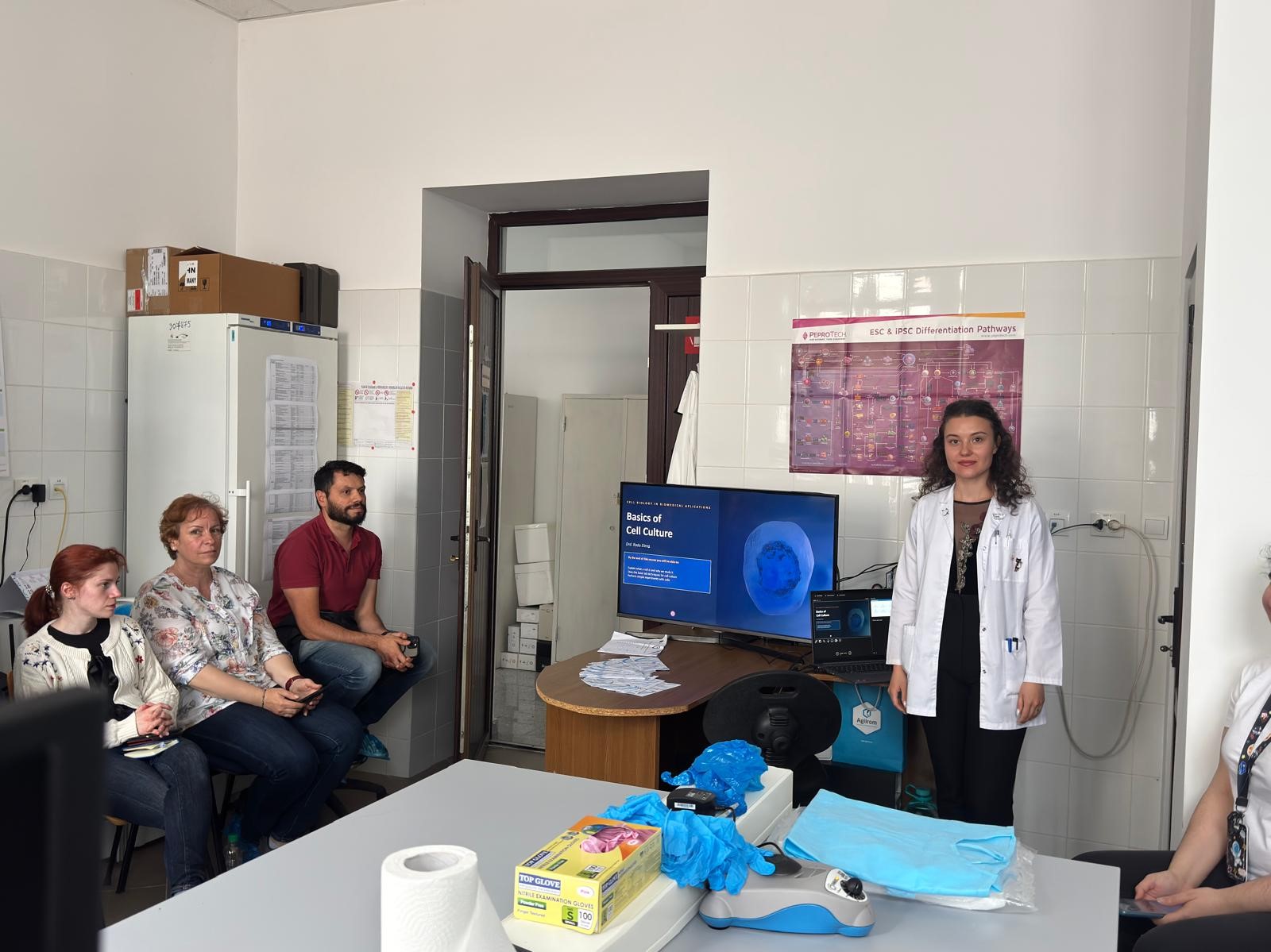
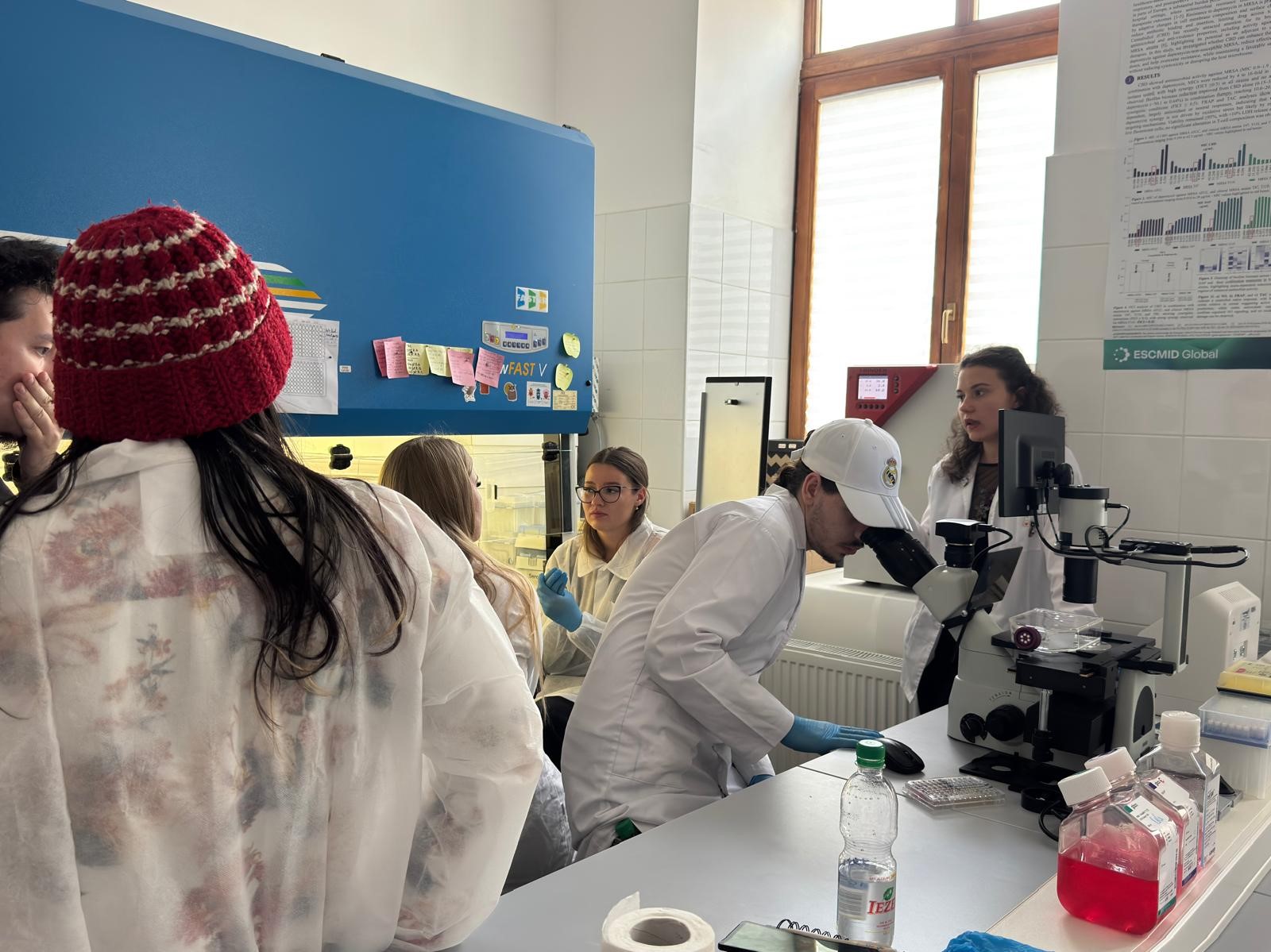
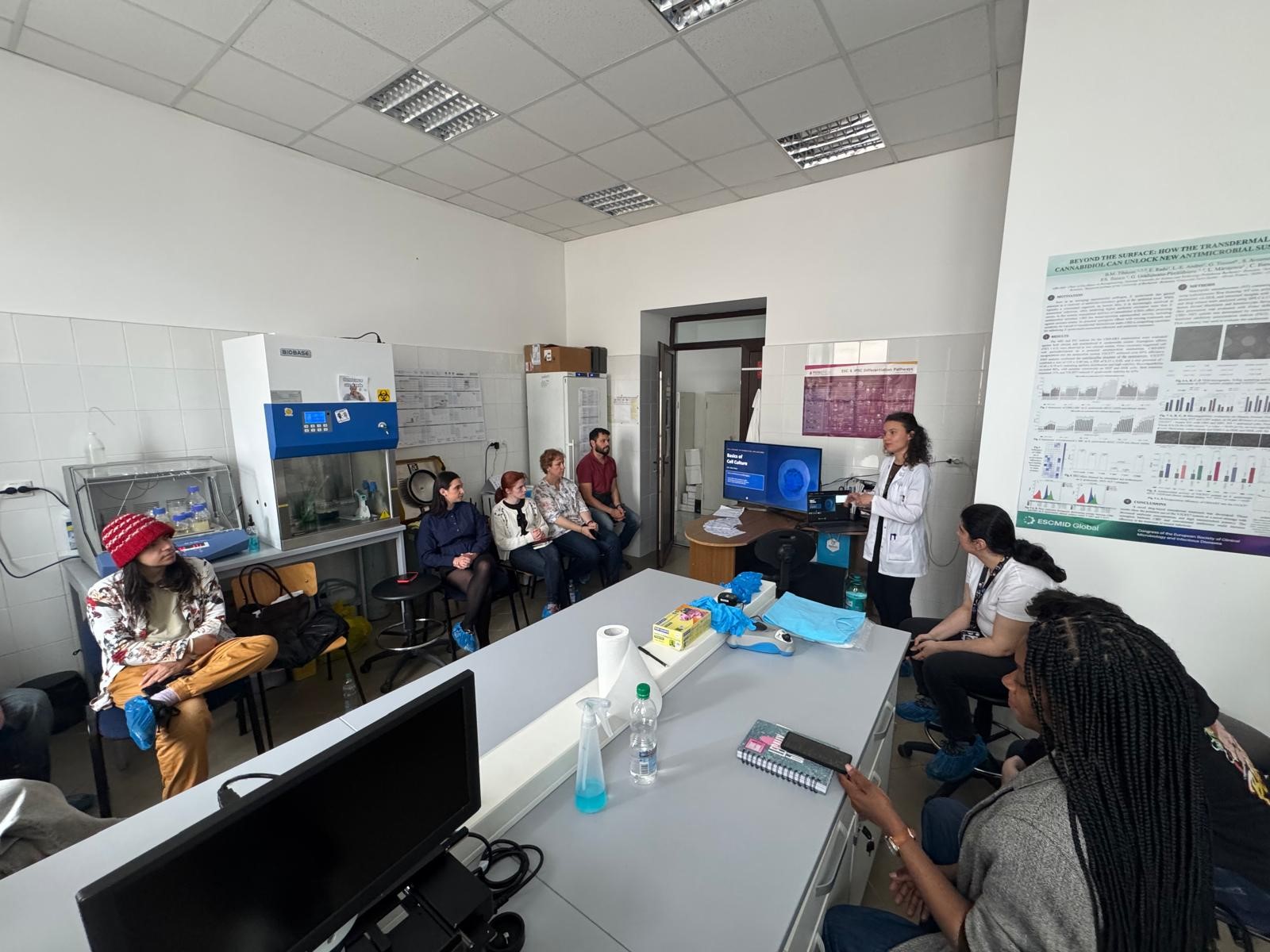
During the second part of the event, participants attended hands-on workshops where they gained practical experience in modern techniques for the analysis and characterization of cell cultures. These interactive sessions provided valuable insight into laboratory workflows, analytical methods, and experimental approaches currently applied in regenerative medicine and bioengineering research.
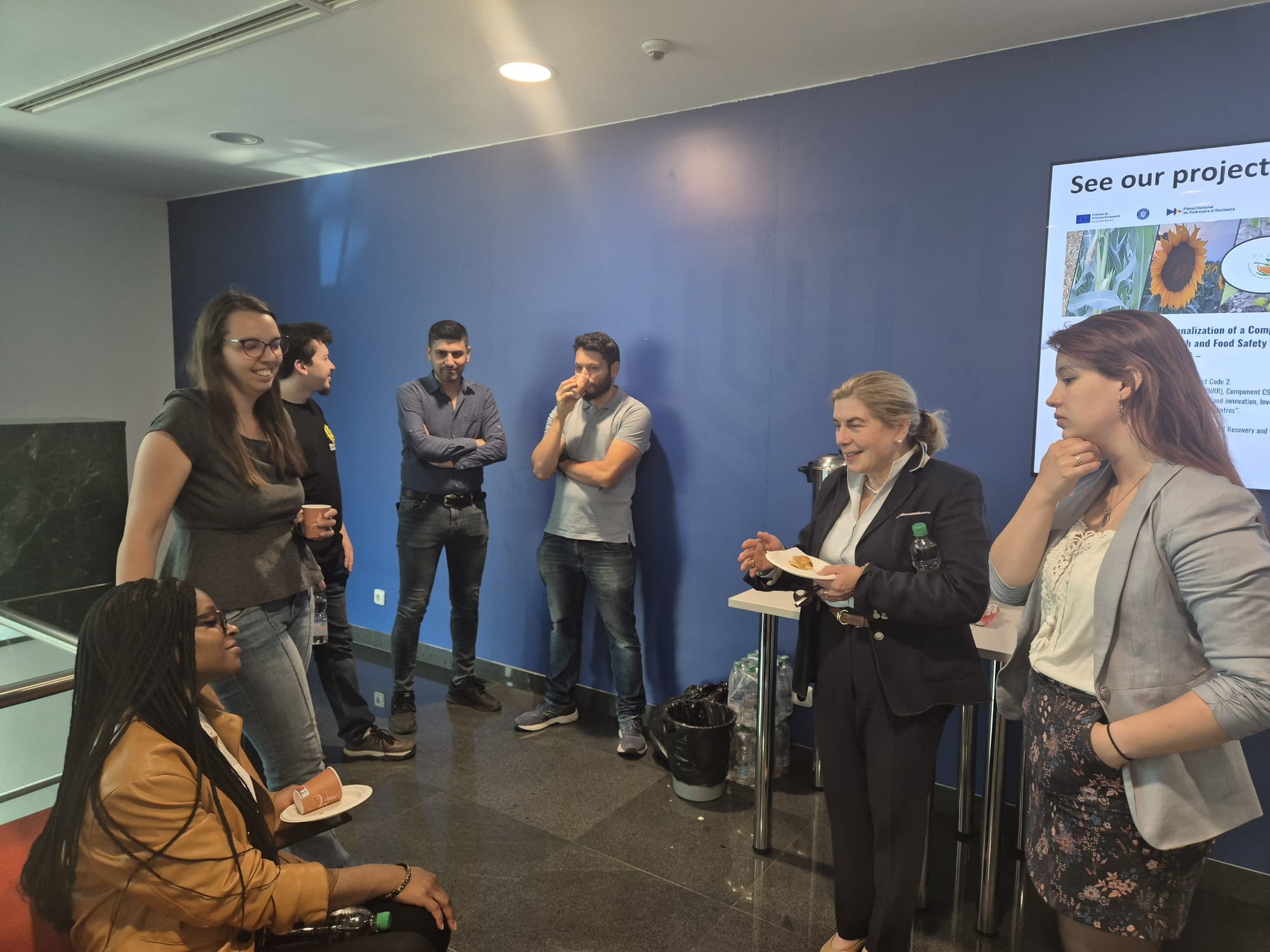
The Summer School also created excellent networking opportunities, encouraging collaboration and knowledge exchange between young researchers, academic experts, and industry professionals actively contributing to the future of biomedical innovation.