


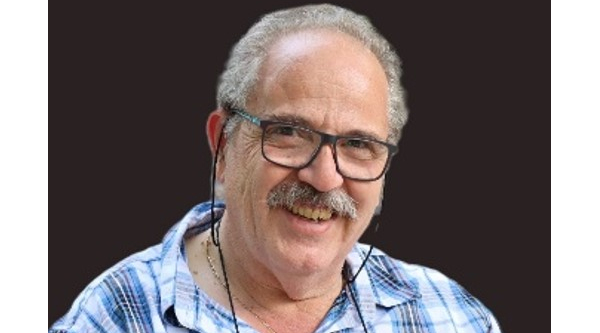
Professor Emmanouil Koudoumas
IMT Bucharest
Department of Electrical and Computer Engineering, Hellenic Mediterranean University
Living Labs are user-centered, open innovation ecosystems that operate within real-life settings through a systematic co-creation approach and iterative feedback processes. Functioning as coordinators across the Quadruple Helix framework, connecting citizens, academic researchers, private industry, and government organizations, Living Labs actively engage end-users as co-creators to design, prototype, validate, and scale innovative solutions that address complex societal, economic, and environmental challenges.
An example of this concept is the Mediterranean Soil Living Lab (MACCSOIL), hosted by the Mediterranean Agrofood Competence Center (MACC) in Crete, Greece. Developed to address critical Mediterranean environmental stressors such as land degradation, climate change impacts, and water scarcity, MACCSOIL brings together local farmers, agronomy experts, technology providers, and regional decision makers. Operating directly in real farming environments across Crete, MACCSOIL implements IoT-enabled digital soil monitoring, predictive data analytics, and precision agriculture technology pilots. Furthermore, MACCSOIL advances circular bioeconomy solutions, such as converting sheep wool waste into high-value organic soil additive. In addition, it is offering interactive farmer workshops, real-time feedback systems, and strategic policy support. Overall, MACCSOIL exemplifies how localized Living Lab ecosystems effectively bridge scientific research, traditional knowledge, and real-world agricultural practices to foster sustainable soil health and regional agri-food resilience.